
Eight reports.
Two languages. One voice.
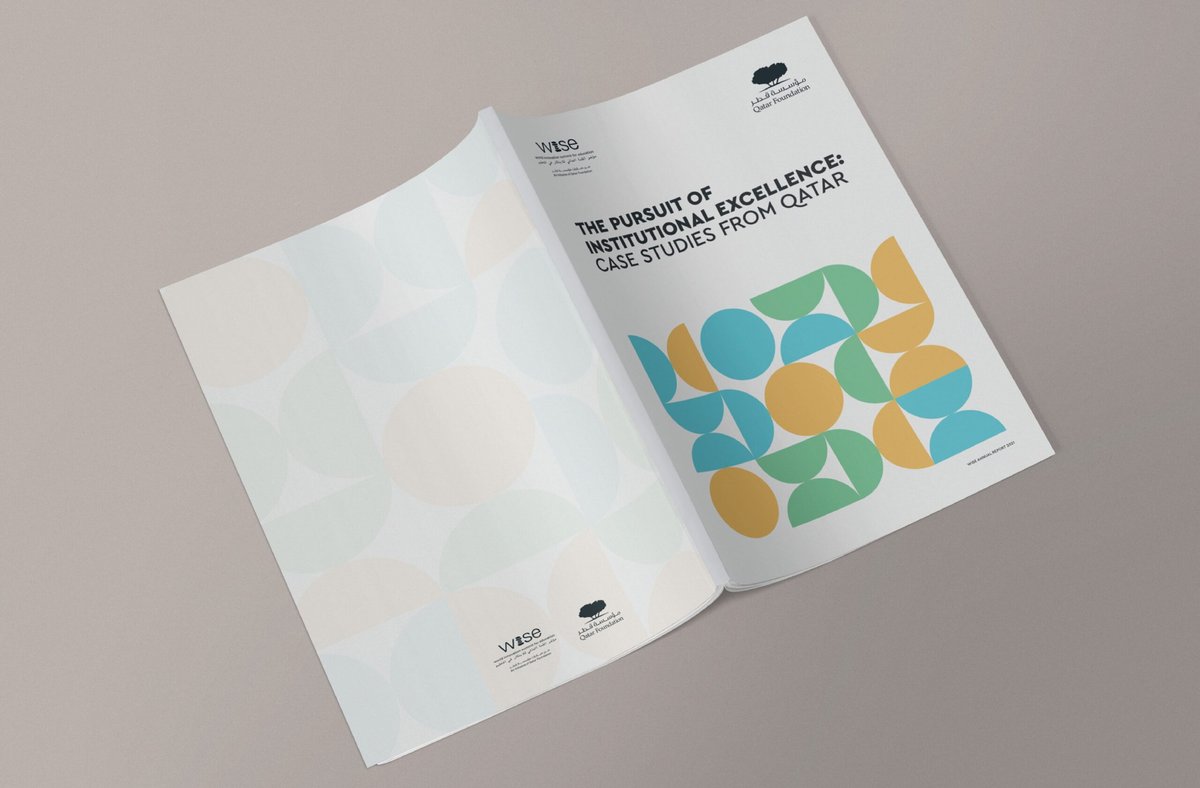
A four-year editorial system for WISE's flagship research programme — dense policy work made readable in Arabic and English, with typographic parity where neither language felt like a translation of the other.
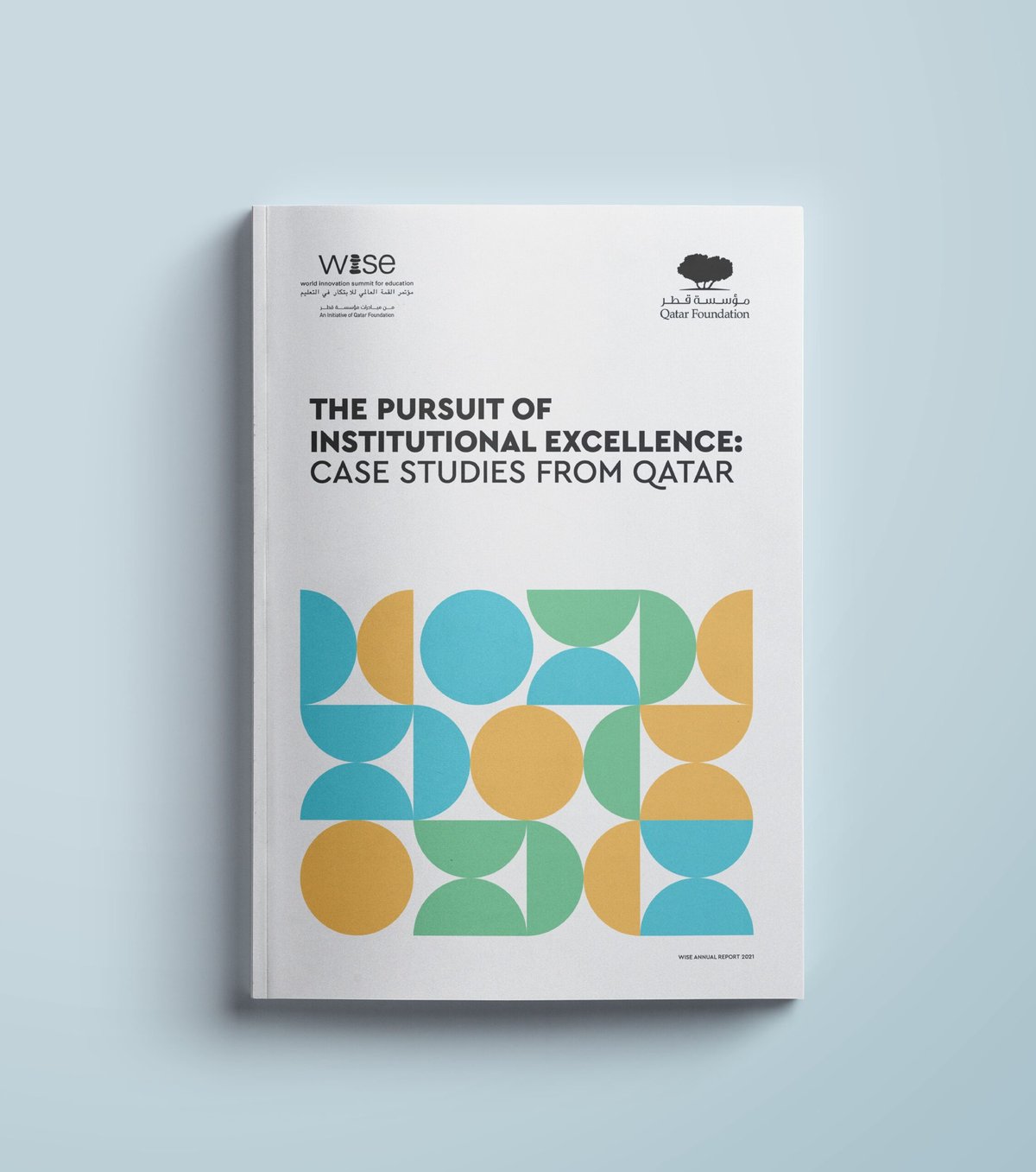
Spreads & mockups
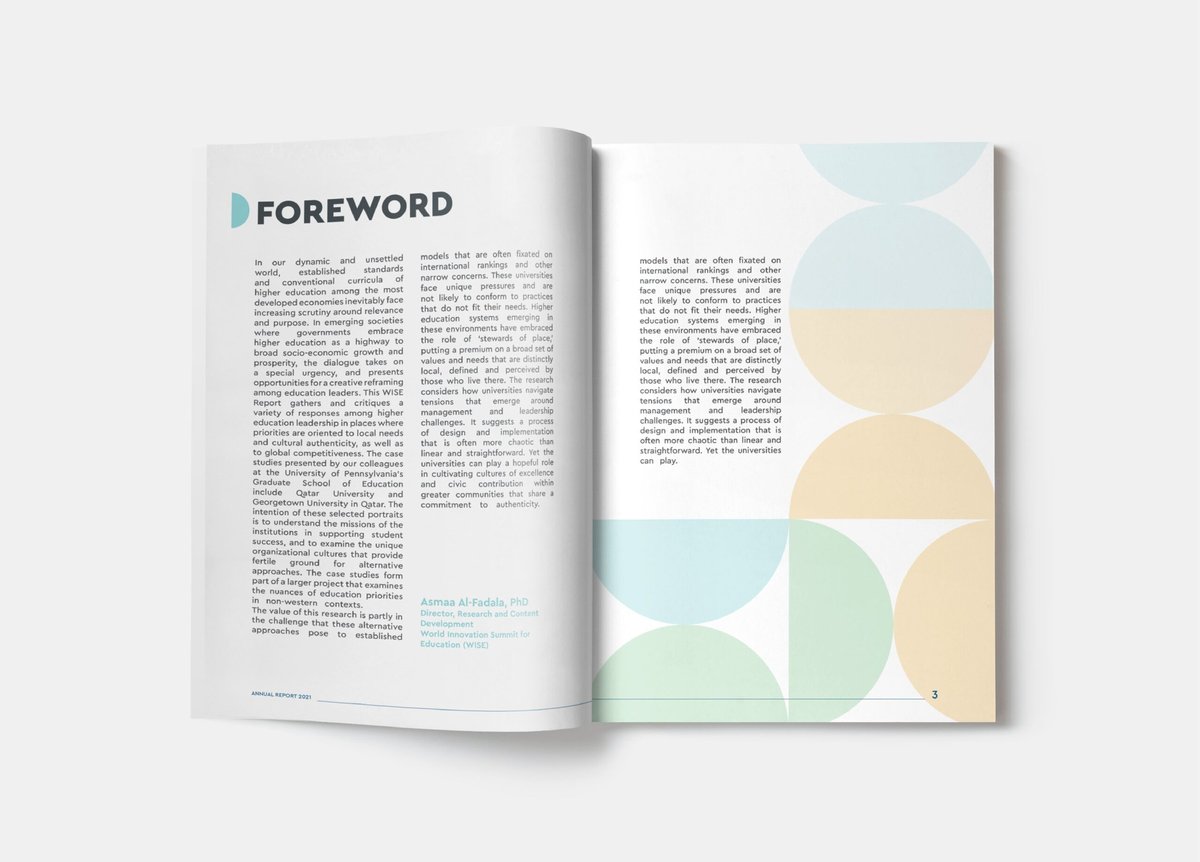
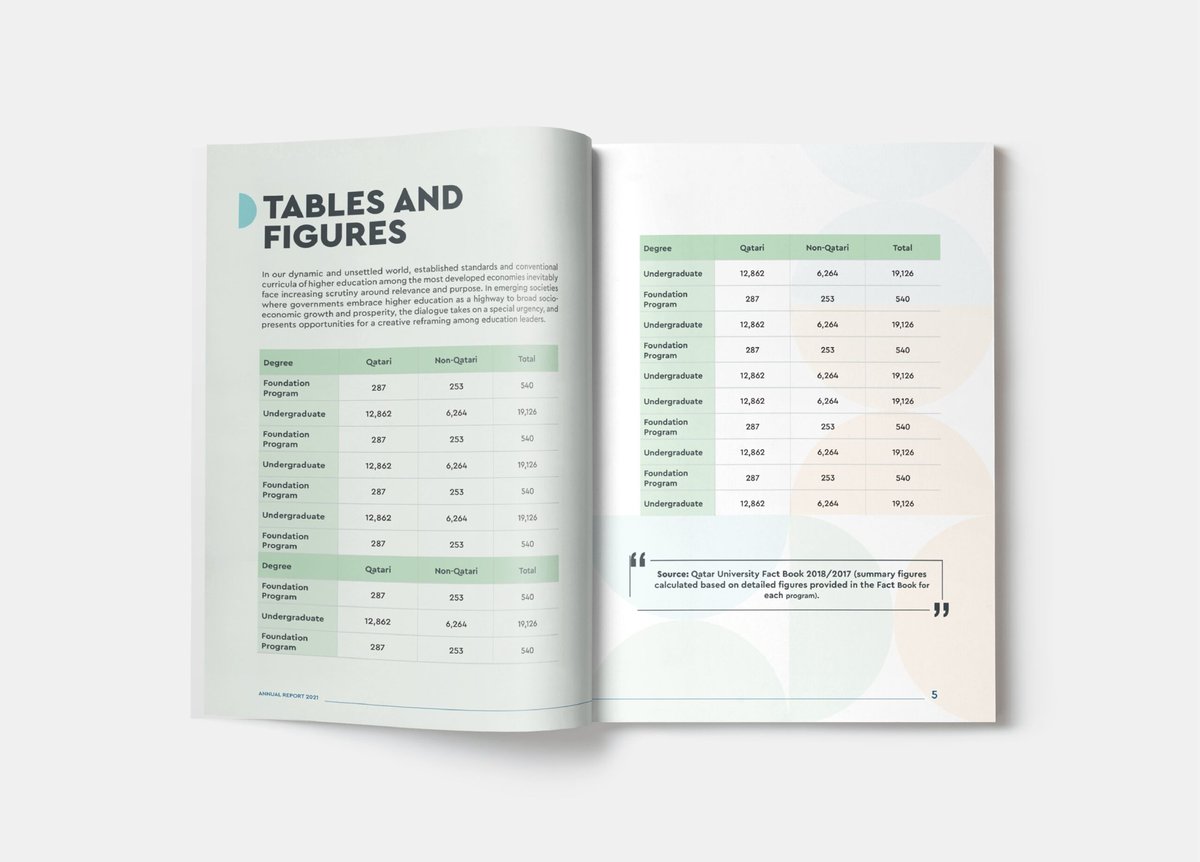
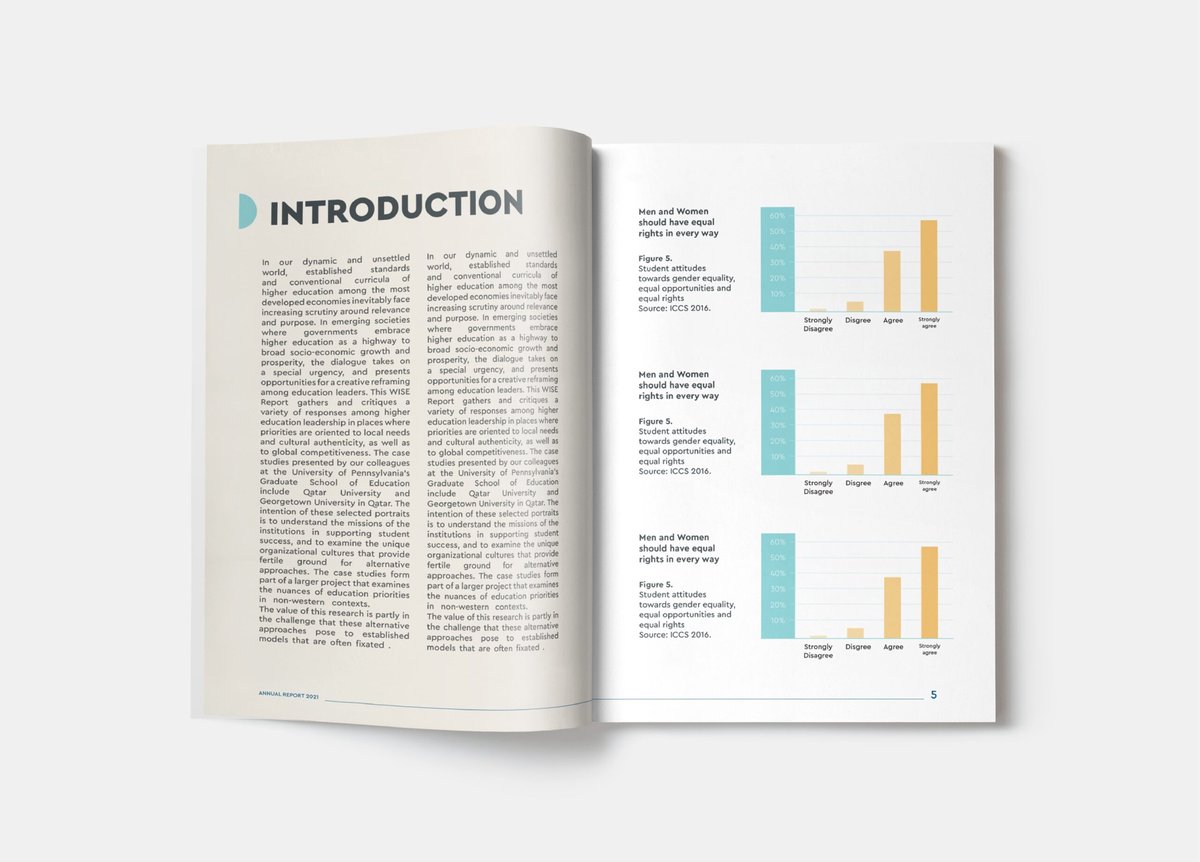
The brief
WISE's research — dense, footnoted, policy-adjacent — had the problem all serious research has: the people who most needed to read it rarely got past page three. The 2023 programme, like the ones before it, had to read like a journal but feel like a magazine.
The harder constraint was bilingual parity. WISE publishes in Arabic and English simultaneously. Neither edition could be the junior one. The grid, rhythm, and hierarchy had to hold in both scripts without resorting to a "mirror" gimmick.
How we worked
01 — A grid that held both scripts
A twelve-column modular grid, baseline-locked, tuned so that Arabic's vertical rhythm and English's horizontal rhythm shared the same drop caps and pull-quote positions. Two editions, one page-numbered spine.
02 — Data, not decoration
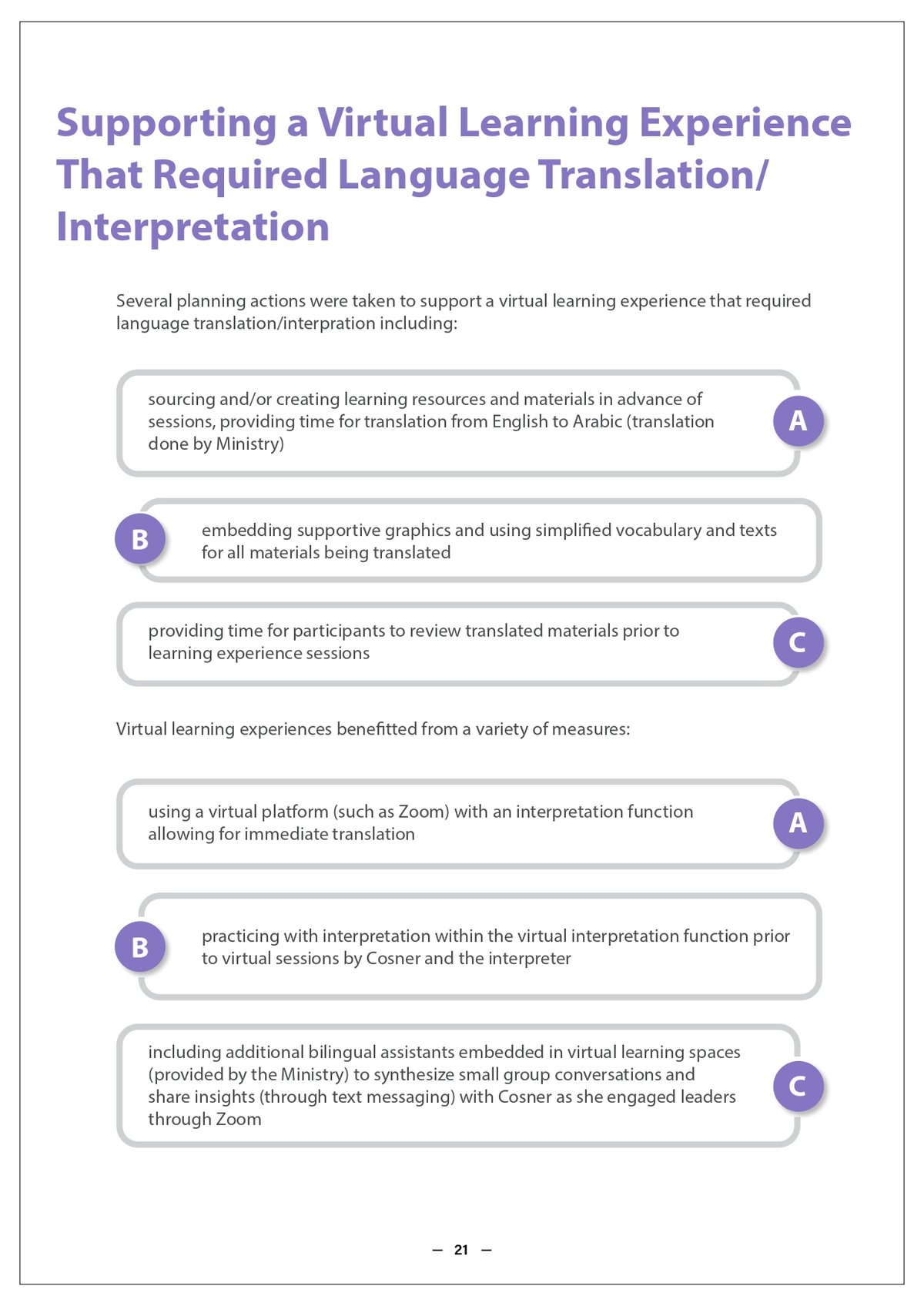
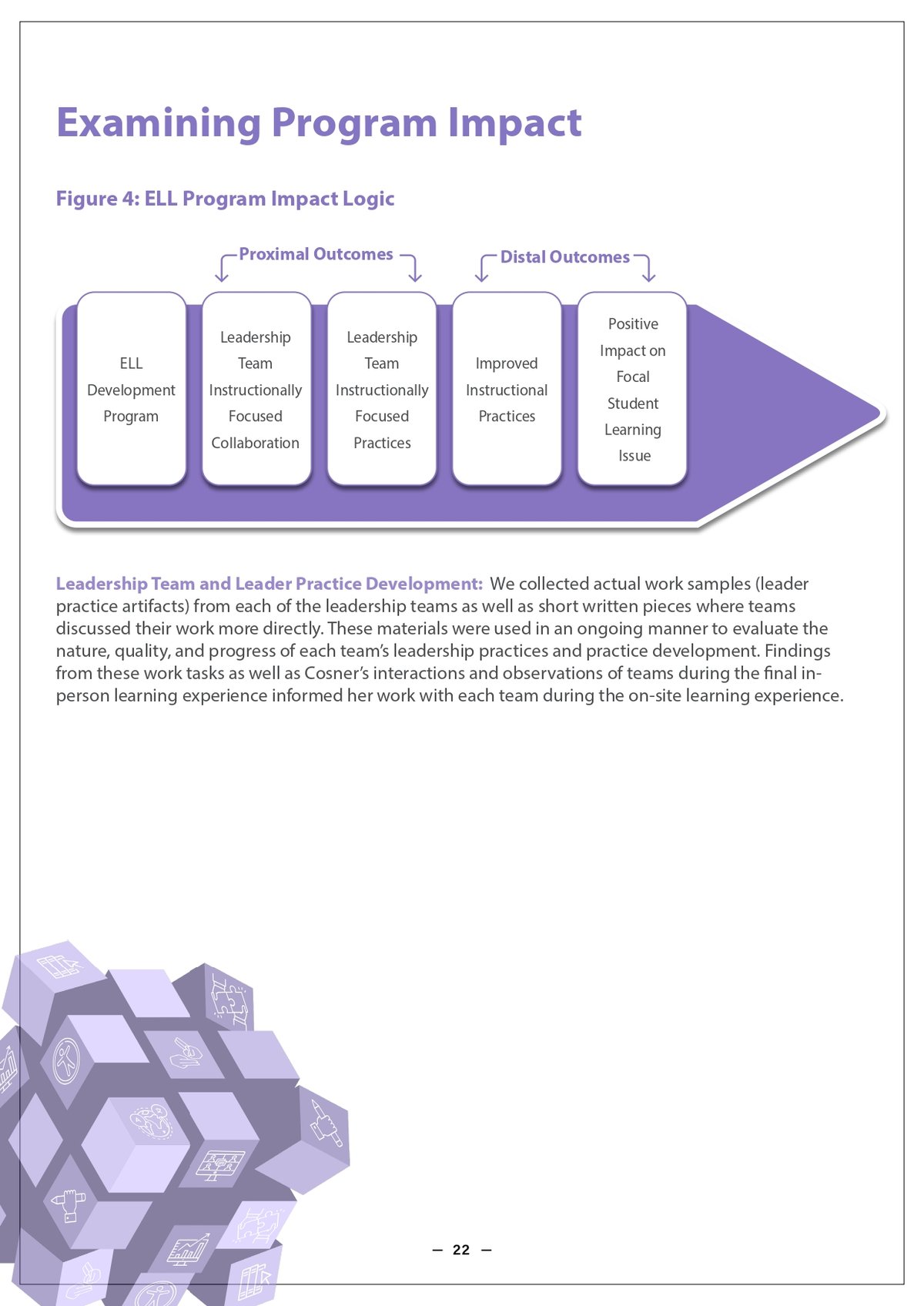
Custom chart styles for every recurring data type. No 3D pies, no gradient fills. Every figure had a source line, a read order, and a one-line takeaway — so a scanner could get the headline without the article.
03 — Covers that worked as a set
Each year's cover used a single typographic gesture — a number, a verb, a stacked word — over a muted field. Line them up on a shelf and you see an arc, not a pile.
04 — A template WISE could run
InDesign libraries, character/paragraph styles, and a short handover guide so the WISE team could produce year-on-year issues without recommissioning the system from scratch.
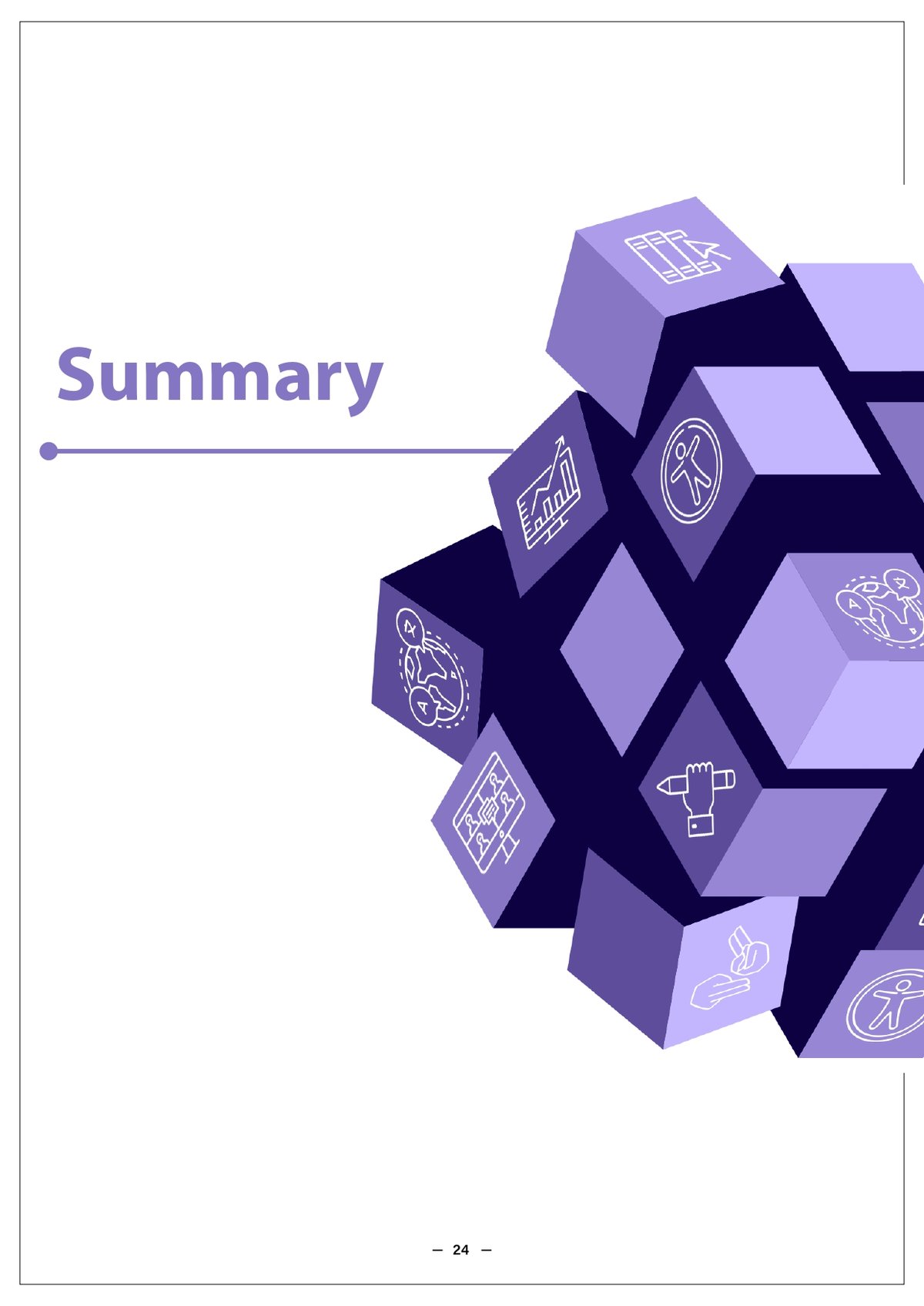
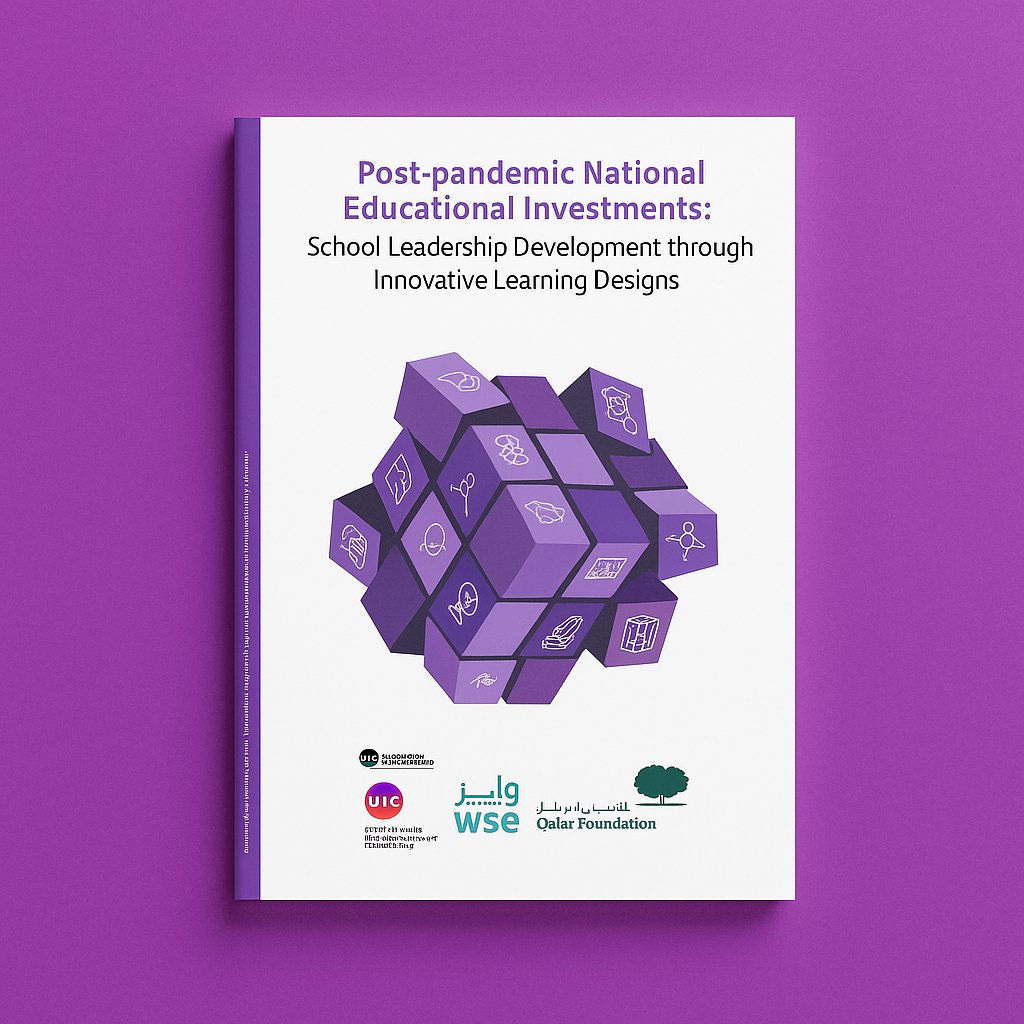
Spreads from the 2023 report.
Spreads from the WISE 2023 research report.
HIA Eid —
A greeting worthy of a nation.
Have a report to publish?
Share the manuscript, the audience, and the languages. A sample spread and a quote back within a business day.
More work from the studio.

Clean water, for a cause — RAF
A fundraising animation for RAF's water-donation campaign — connecting a single donor's contribution to a specific well, village, and story
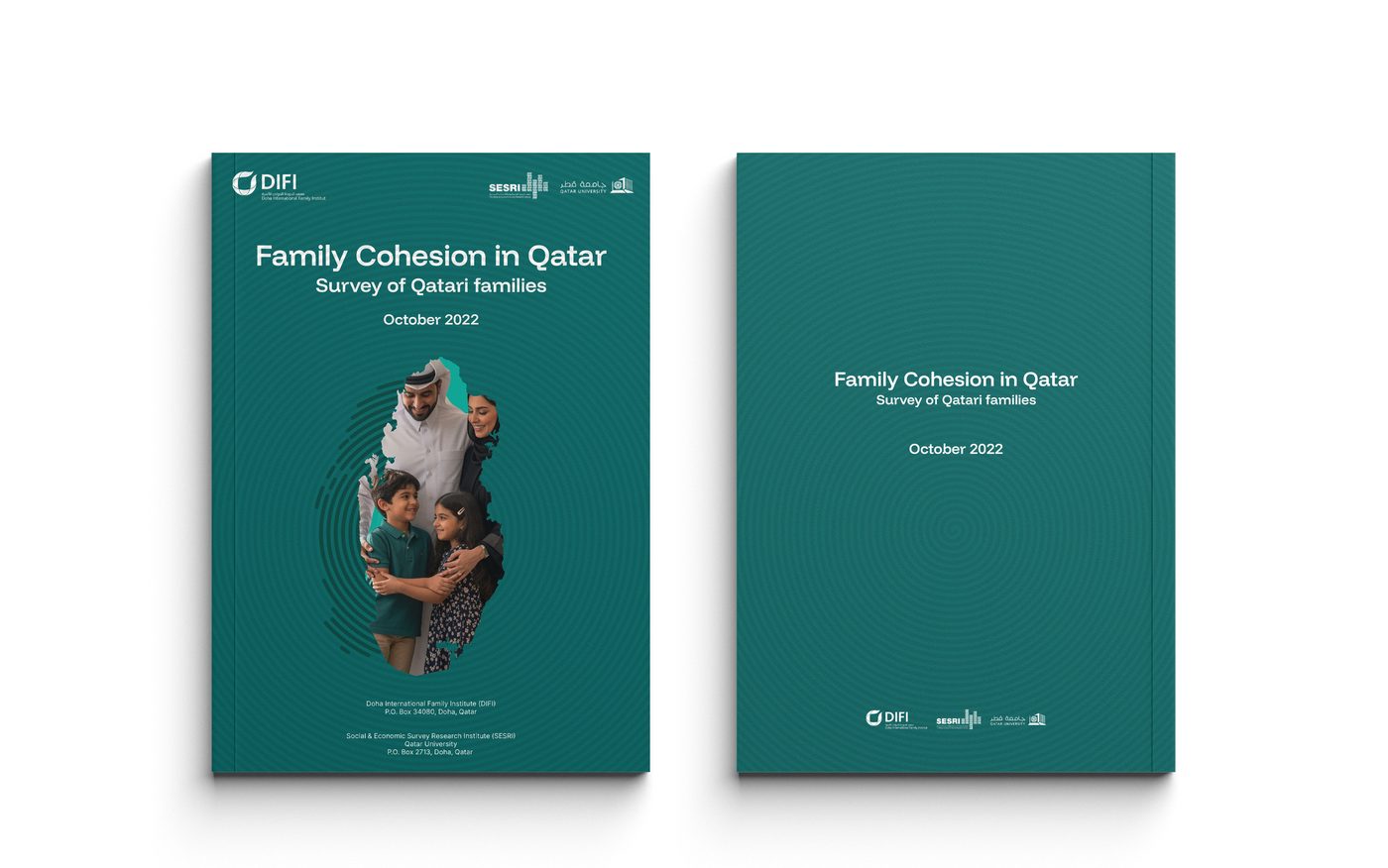
Family cohesion, surveyed — DIFI × SESRI · Qatar University
A bilingual report for DIFI and Qatar University's Social & Economic Survey Research Institute (SESRI)

Research Report, 2021 — WISE · Qatar Foundation
The 2021 WISE Research Report — a refinement of the 2019 editorial system, with cleaner grids, a tighter typographic hierarchy